
Artificial Intelligence: An Artifact of the Future
Artificial intelligence (AI) is now omnipresent, from voice assistants to industrial robots. But in a millennium, how will our descendants perceive these creations? Will they be seen as technological relics of a lost civilization or as the foundations of their own existence? This page explores the place of AI in our present and envisions its future through the lens of the "Prehistory of the Future."
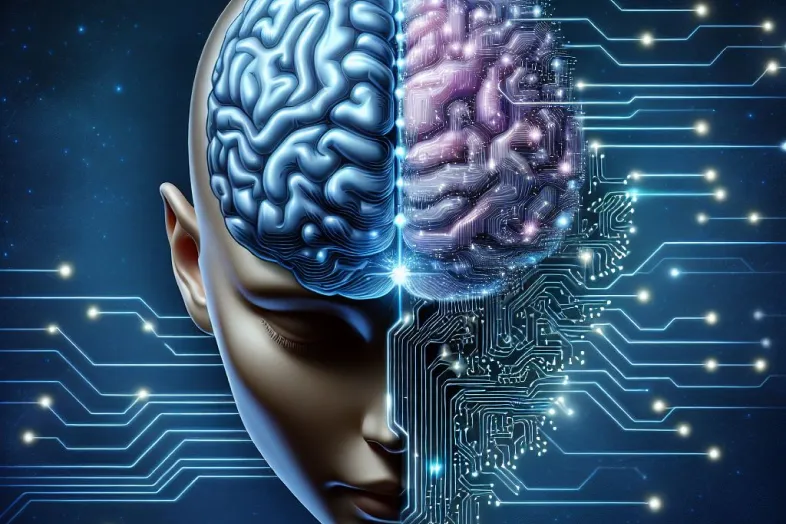
The Origin of AI: A New Generation of Tools
Artificial intelligence, although often perceived as a recent technology, has its roots in humanity's fascination with automation. From the first algorithms of the 1950s to today's deep learning systems, AI has radically transformed our relationship with work, creativity, and knowledge.
Just like the first stone tools, AI represents a new evolution of our capabilities. But just as those primitive tools became obsolete, AI will one day be surpassed or even forgotten, as new forms of technology take their place.
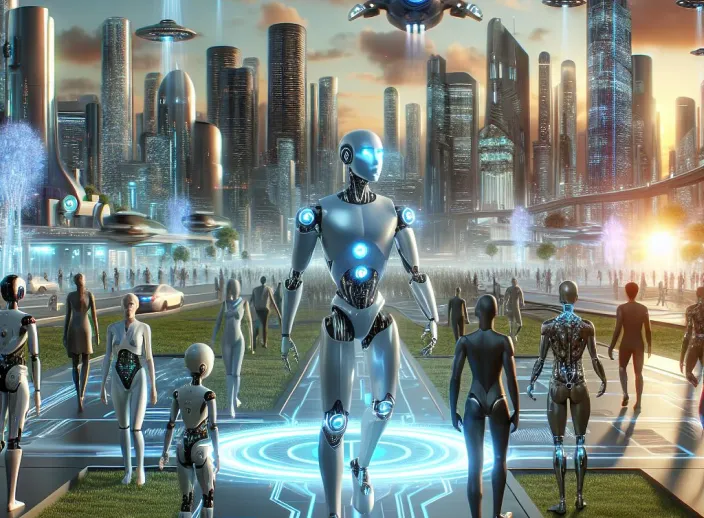
AI and Future Civilizations: Artifacts or Legacy?
In 1000 years, our artificial intelligences may be viewed as mysterious objects. As we discover stone hand axes today, will AI be interpreted as remnants of a dark technological era? Will the data they process still be comprehensible to the archaeologists of the future, or will their meaning be lost in the mists of time?
A fascinating question is whether these machines will be preserved as artifacts or if they will evolve to the point of becoming indistinguishable from human civilization itself.
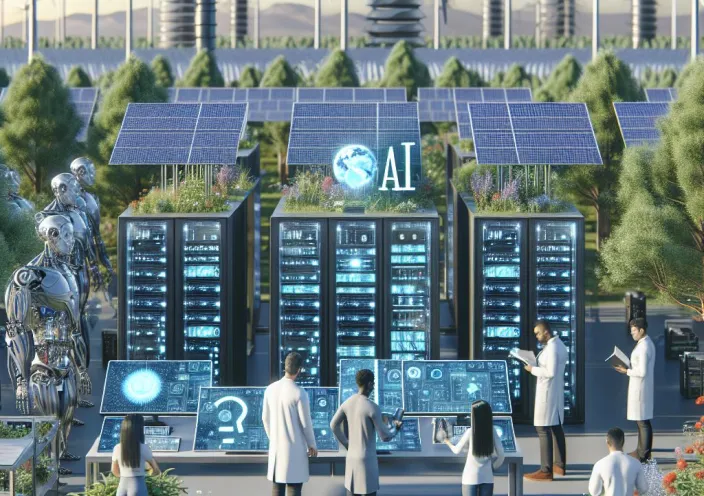
Current Challenges: Environment and Sustainability
AIs consume enormous amounts of energy. Considering current climate and ecological crises, their impact could become an important subject of study for future generations. How will these machines, which demand so many resources, be perceived in a post-carbon world?
"Artificial intelligence will be tomorrow's digital flint, a tool that will shape the future long after our era has faded into oblivion."